
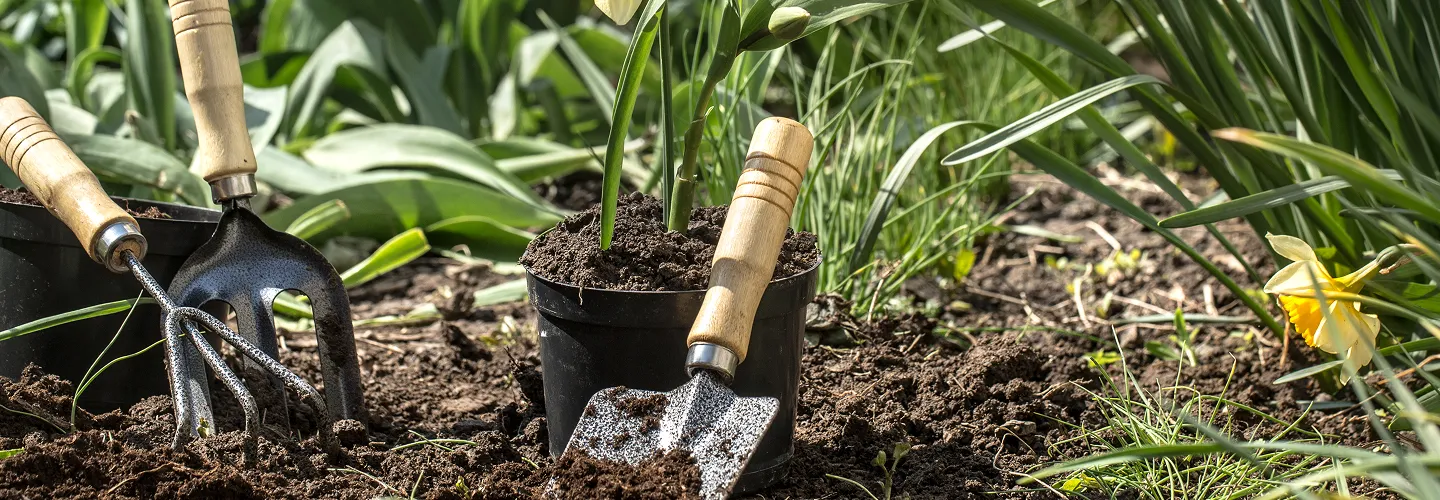
Fredericksburg Weeding Services
Choose our expert weeding services for a healthier, more vibrant landscape—our experienced team ensures your garden stays pristine, saving you time and effort while promoting stronger plant growth.
Get a Free QuoteOur Fredericksburg Landscaping & Yard Care Services
When to Schedule Weeding in Fredericksburg, Texas – Seasonal Guide
In Fredericksburg, Texas, the timing of weeding is crucial for maintaining healthy, attractive landscapes. The region’s unique blend of Hill Country climate, with its hot summers, mild winters, and variable rainfall, means that weed growth patterns can differ significantly from other parts of Texas. Typically, the best times for weeding are early spring—just after the last frost—and late fall, when temperatures are cooler and soil moisture is more consistent. Neighborhoods near Cross Mountain and along the Pedernales River often experience microclimates that can affect weed emergence, so it’s important to monitor local conditions closely.
Environmental factors such as Fredericksburg’s rocky, calcareous soils, periods of drought, and the prevalence of shaded yards in areas like the Historic District all play a role in determining the optimal weeding schedule. Homeowners should also be aware of municipal guidelines and seasonal restrictions, which can be found on the official town website, to ensure compliance and best practices. By tailoring your weeding schedule to these local factors, you can keep your property looking its best year-round.
Local Factors to Consider for Weeding in Fredericksburg
- Tree density and shade coverage, especially in neighborhoods like Stone Ridge
- Soil type and drainage, with rocky soils common near Enchanted Rock
- Seasonal precipitation patterns and drought risk
- Frost dates and temperature fluctuations
- Terrain and slope, which can affect weed spread
- Municipal restrictions or guidelines on herbicide use
Benefits of Weeding in Fredericksburg
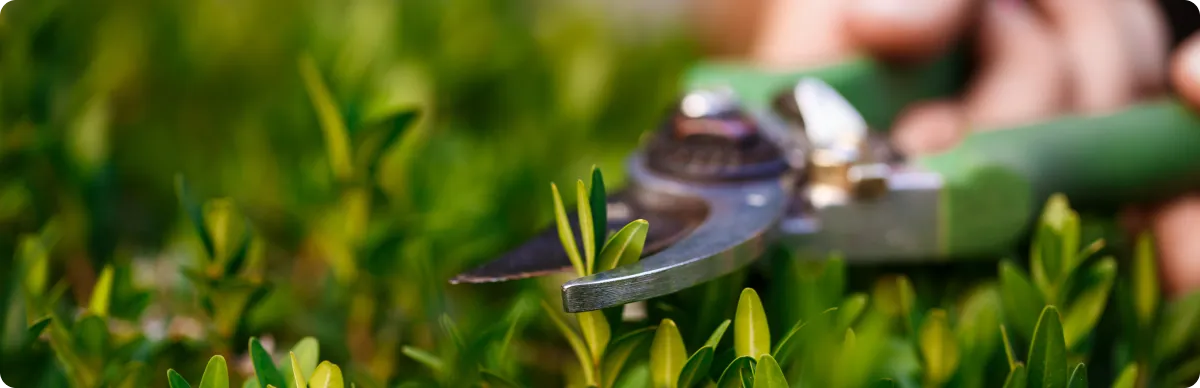
Enhanced Curb Appeal
Healthier Plant Growth
Reduced Pest Infestation
Improved Soil Quality
Professional and Reliable Service
Time and Effort Savings
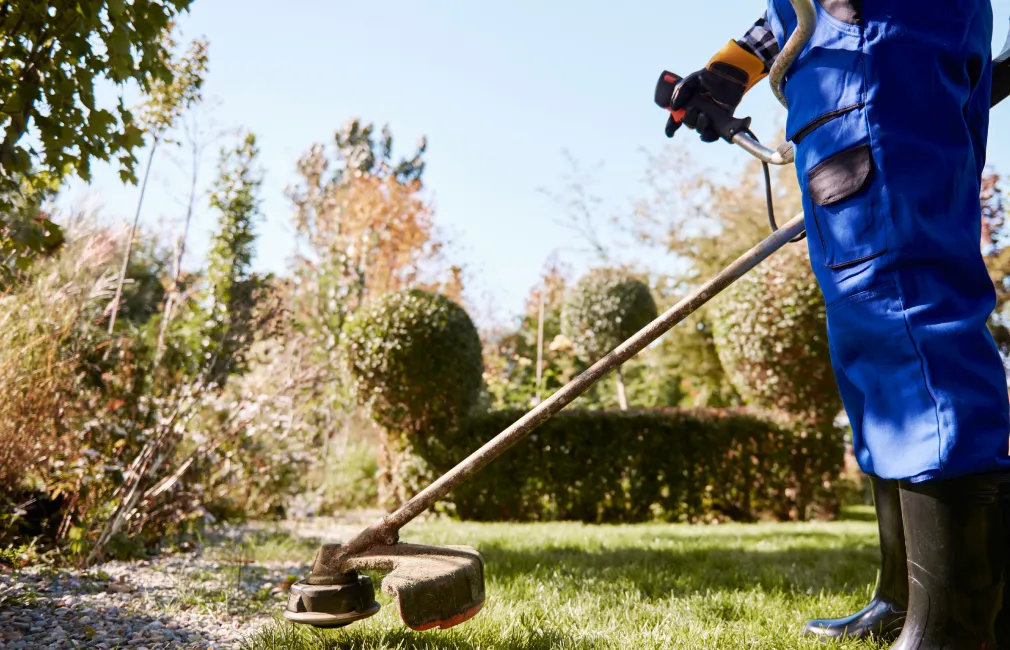
Fredericksburg Weeding Types

Hand Weeding
-
Mulch Application
-
Pre-Emergent Weed Control
-
Post-Emergent Herbicide Treatment
-
Mechanical Weeding
-
Landscape Fabric Installation
-
Selective Weed Removal
Our Weeding Process
Site Evaluation
Weed Identification
Targeted Removal
Soil Treatment
Final Inspection
Why Choose Fredericksburg Landscape Services
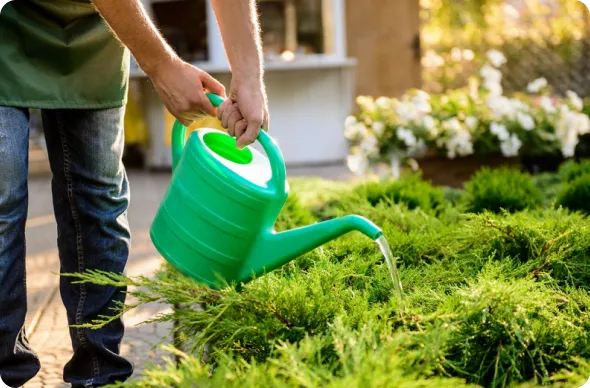
Fredericksburg Homeowners Trust Us
-
Expert Lawn Maintenance
-
Reliable Seasonal Cleanup
-
Efficient Irrigation Solutions
-
Competitive Pricing
-
Professional Team
-
Satisfaction Guarantee
-
Personalized Service
Soil Series and Drainage Considerations for Weeding in Fredericksburg
Weeding practices in Fredericksburg must account for the region’s dominant soil types, including Houston Black clay and Denton silty clay loam, as identified by the USDA Web Soil Survey. These soils are characterized by high clay content, moderate to poor drainage, and a pH typically ranging from 7.2 to 8.0. Compaction is common in developed areas, requiring core aeration to a depth of 2-3 inches before major weeding or planting. Soil amendments such as compost (2-3 inches tilled to 6-inch depth) and lime application for pH below 7.0 are recommended. Soil testing is available through Texas A&M AgriLife Extension for $15-25 per sample. Proper soil management ensures effective weed removal and supports healthy turf and garden beds.
Municipal Weeding Ordinances and Collection Protocols in Fredericksburg
Fredericksburg enforces specific property maintenance standards for weed control under city code. Grass and weeds must not exceed 12 inches in height on any developed lot. The city’s Code Enforcement Department conducts routine inspections and issues notices for violations, with a 10-day compliance window and fines starting at $75 per infraction. Yard waste, including pulled weeds, is collected curbside every Thursday from April through November. Residents must use biodegradable bags or 32-gallon reusable bins; plastic bags and branches over 4 inches in diameter are prohibited. For large volumes, the city transfer station accepts organic debris during posted hours. Coordination with municipal services is essential for compliance.
Fredericksburg Code Enforcement Department
126 W. Main Street, Fredericksburg, TX 78624
Phone: (830) 997-7521
Official Website: Fredericksburg Code Enforcement Department
Environmental Compliance: Stormwater, Buffer Zones, and State Regulations
Weeding activities in Fredericksburg must comply with local and state environmental regulations to protect waterways and sensitive habitats. The city’s MS4 permit, administered under the Clean Water Act, prohibits yard waste and soil from entering storm drains. Maintain a 25-foot no-disturbance buffer from wetlands and a 50-foot setback from creeks such as Barons Creek and Town Creek. The Texas Commission on Environmental Quality (TCEQ) enforces the Texas Water Code and oversees stormwater management. Residents are encouraged to review the city’s stormwater guidelines and utilize mulch or erosion control blankets on exposed soil after weeding to prevent runoff. Violations may result in fines or remediation orders.
Texas Commission on Environmental Quality
12100 Park 35 Circle, Austin, TX 78753
Phone: (512) 239-1000
Official Website: Texas Commission on Environmental Quality
Seasonal Timing and Weather Considerations for Weeding in Fredericksburg
Fredericksburg is located in USDA Hardiness Zone 8b, with average annual minimum temperatures of 15-20°F. Optimal weeding windows are early spring (March 15 - May 15) and late fall (October 1 - November 15), when soil moisture is adequate and weed growth is most active. Avoid weeding during peak summer (June-August) due to heat stress and rapid weed regrowth. Monitor local weather forecasts through the National Weather Service Austin/San Antonio office to plan around rainfall and soil conditions. For persistent perennial weeds, repeated removal every 4-6 weeks during the growing season is recommended. Mulching beds with 2-3 inches of organic material after weeding suppresses regrowth and conserves soil moisture.
Safety Protocols and Equipment Standards for Weeding Operations in Fredericksburg
All weeding operations in Fredericksburg must adhere to municipal safety standards and equipment regulations. Commercial-grade hand tools and string trimmers are permitted for use during the following hours:
- Monday-Friday: 7:00 AM - 7:00 PM
- Saturday: 8:00 AM - 6:00 PM
- Sunday and holidays: Prohibited
Operators must wear ANSI Z87.1 rated safety glasses, hearing protection for equipment exceeding 85 dB, and cut-resistant gloves. Maintain a 15-foot clearance from overhead power lines and public sidewalks. Equipment must be maintained in good working order, with blades sharpened every 20-25 hours of use. The Fredericksburg Public Works and Utilities Department provides guidance on safe operation and noise compliance.
Fredericksburg Public Works and Utilities Department
126 W. Main Street, Fredericksburg, TX 78624
Phone: (830) 997-7521
Official Website: Fredericksburg Public Works and Utilities Department
What Neighborhoods Do We Serve Throughout Fredericksburg, TX?
- Historic District: Features mature landscaping and compacted clay soils, requiring careful hand weeding and compliance with historic preservation guidelines.
- Stone Ridge: Newer development with moderate slopes and well-drained soils, but HOA standards mandate regular weed control and specific disposal practices.
- Barons Creekside: Proximity to Barons Creek necessitates strict buffer zone adherence and erosion control during weeding operations.
- Heritage Hill Country: Gated community with smaller lots and dense plantings, where access limitations and noise ordinances affect scheduling.
- Windcrest: Larger lots with mixed soil types and frequent deer activity, requiring deer-resistant mulching and targeted weed suppression.
- Carriage Hills: Elevated terrain with rocky subsoils, presenting challenges for deep-rooted weed removal and equipment access.
- Oak Village North: Suburban area with moderate tree cover and periodic flooding, making drainage management and stormwater compliance critical during weeding.